

Mapping Financial Milestones That Actually Stick
How to break down big goals into realistic milestones you can actually achieve.

A practical approach to saving three to six months of expenses. Most people don't realize they can start with just €50 per month.
An emergency fund is your financial safety net. When the car breaks down, you lose hours at work, or your boiler needs replacing, you're not scrambling to find credit or dipping into savings meant for other goals. It's not complicated — it's just money set aside for when life doesn't go to plan.
The problem? Most people don't have one. They've got a bit tucked away in a regular savings account, but not enough. Or they're saving for a holiday instead. We'll show you how to build a real emergency fund without putting your life on hold.

You don't need €10,000 sitting in the bank tomorrow. That's the first myth to break. Most financial experts suggest building an emergency fund that covers three to six months of essential expenses — not luxuries, just the basics. Your rent or mortgage, utilities, food, insurance, transport.
Here's the realistic bit: if you spend €2,000 a month on essentials, you're aiming for €6,000 to €12,000. That sounds huge when you've got €50 to spare each month, doesn't it? But you'll get there faster than you think. Start with €1,000 as your first milestone. That's your immediate safety net — one month of essentials. Then build from there.
Quick math: If you save €50 monthly, you'll hit €1,000 in 20 months. Add €20 more and it's 14 months. Most people can find an extra €20 somewhere.
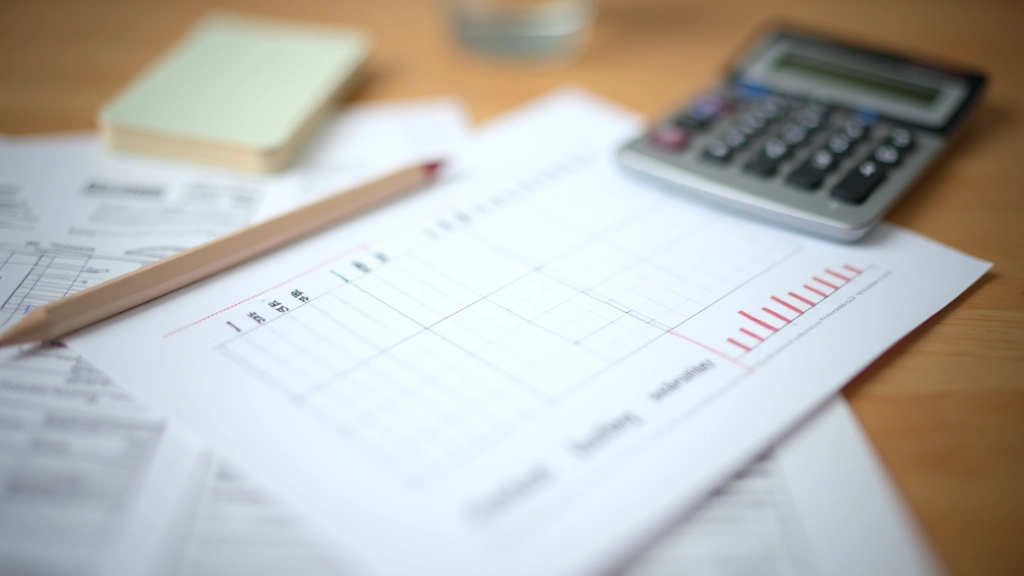

Write down what you actually spend each month on non-negotiables. Not Netflix or the coffee shop — the bills that would kill you if they weren't paid. Rent, insurance, utilities, minimum food budget, transport. That's your baseline.
Don't keep this money with your everyday account. It'll be too easy to dip into. Open a dedicated savings account — preferably one with a decent interest rate. Even if it's only 3-4%, that's free money over time.
Pay yourself first. When your salary hits, move your emergency fund amount over immediately. €50, €75, whatever you can manage. You won't miss what you don't see in your current account.
That €20 you didn't spend on takeaway? It goes straight to the fund. Keep a tally. You'll be surprised how quickly these add up. By month three, you might have an extra €100 just from skipping lunches.
Tax refunds, birthday money, a bonus at work — don't spend it. Throw it straight into the emergency fund. You weren't counting on it anyway, so you won't miss it. That's how people hit €5,000 in a year.
Freelance work, selling things you don't need, weekend shifts — you don't need to commit to anything permanent. Even €50 a month from a side gig cuts your timeline in half. It's temporary, not forever.
Start at €50. When you hit €1,000, bump it to €75. Hit €2,000? Move to €100. You're used to the smaller amount by then, so the increase doesn't feel like a sacrifice. It's a natural progression.
This article is educational material designed to help you understand emergency fund concepts and planning strategies. It's not financial advice tailored to your specific situation. Everyone's circumstances are different — your income, expenses, debts, and goals are unique to you. Before making major financial decisions, especially regarding savings strategies or investment choices, it's wise to speak with a qualified financial advisor who understands your full picture. They can give you guidance based on your actual circumstances rather than general principles.
An emergency fund doesn't just sit there waiting to be used. It changes how you feel about money. You stop panicking when something breaks. You don't have to say "no" to necessary expenses because you're worried about affording them. You've got breathing room. That's worth more than the interest you'll earn on it.
Start small. €50 a month. That's €600 a year. In two years, you've got €1,200 — a genuine safety net. By year three, you're at €1,800. Keep going and you'll hit your three-month target without it feeling like a burden. You'll have built something real, something that actually protects you. That's how you start.